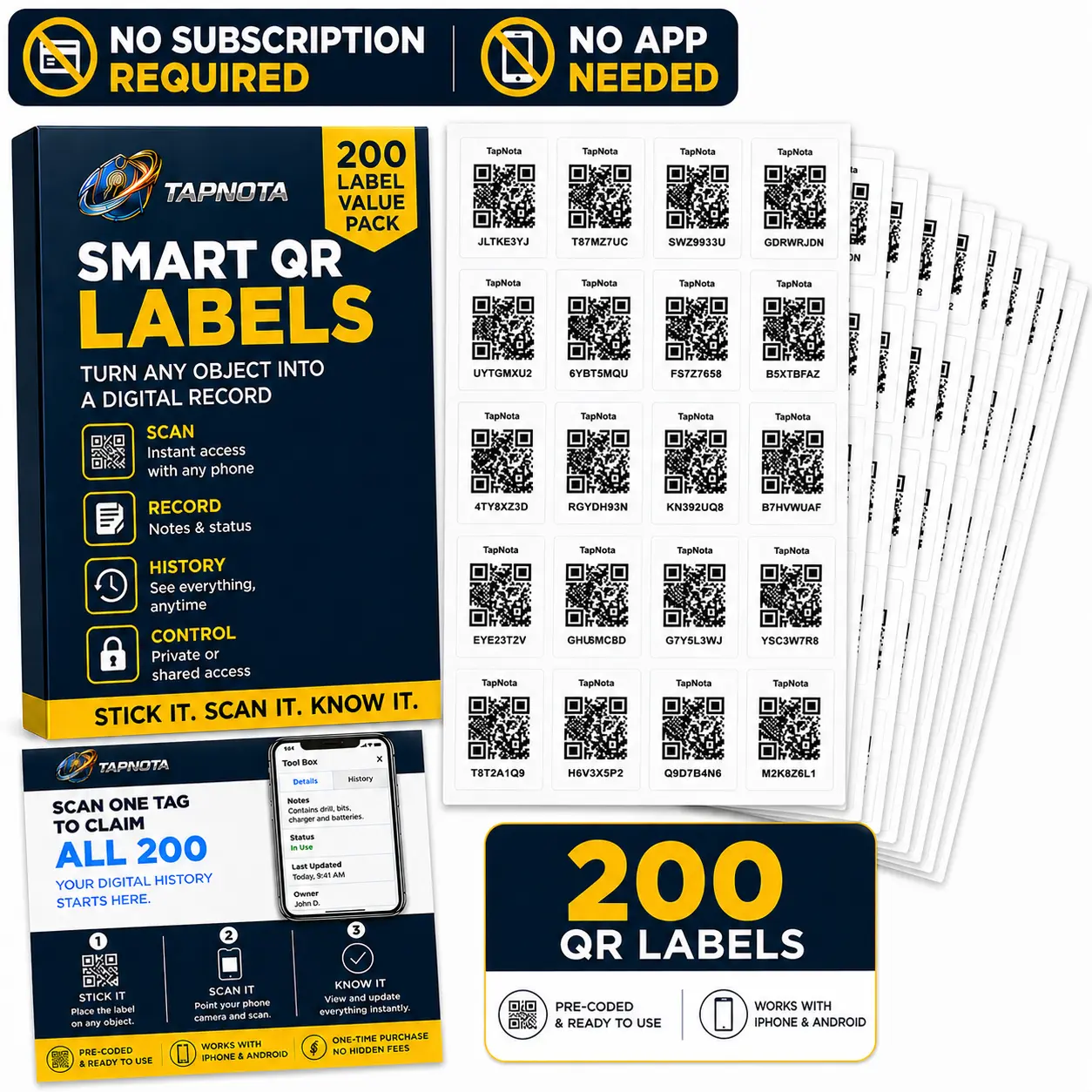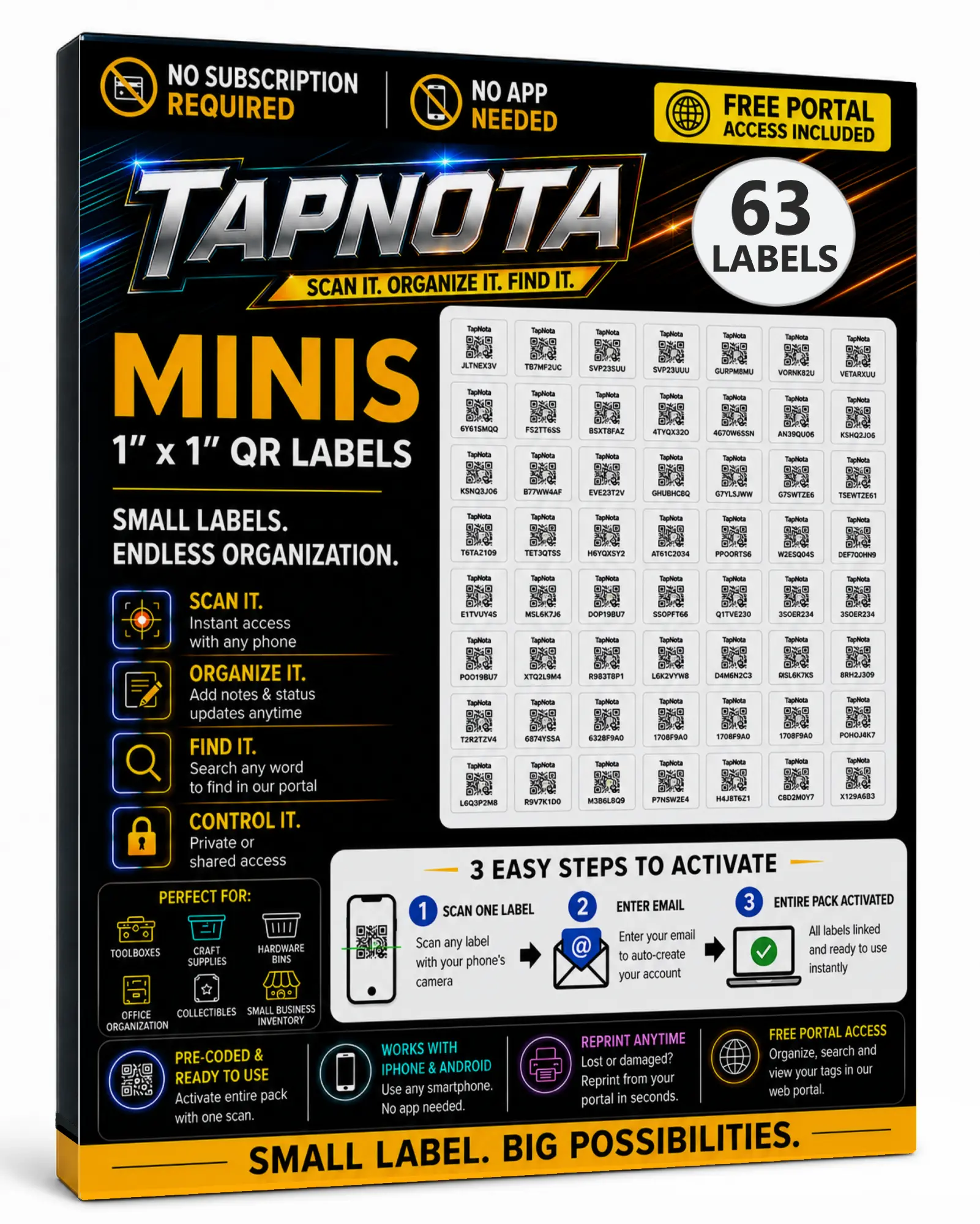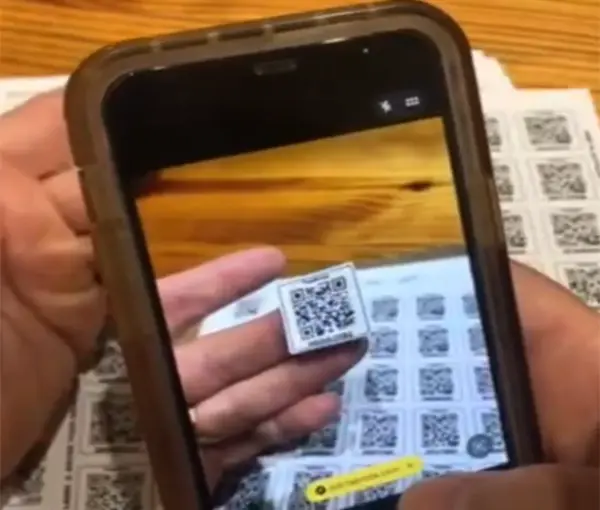
Activate the Entire Pack Once
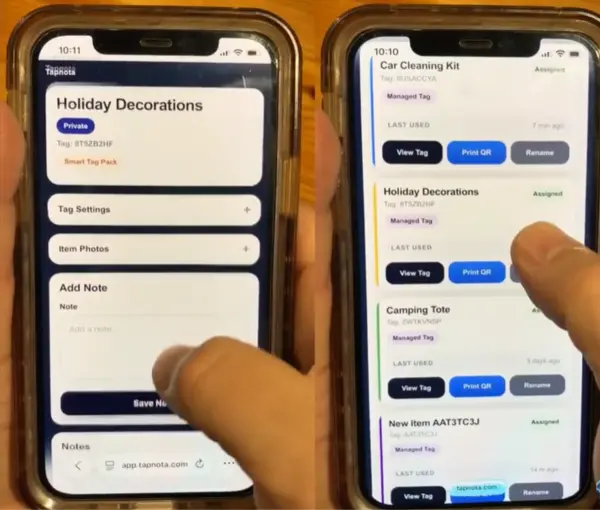
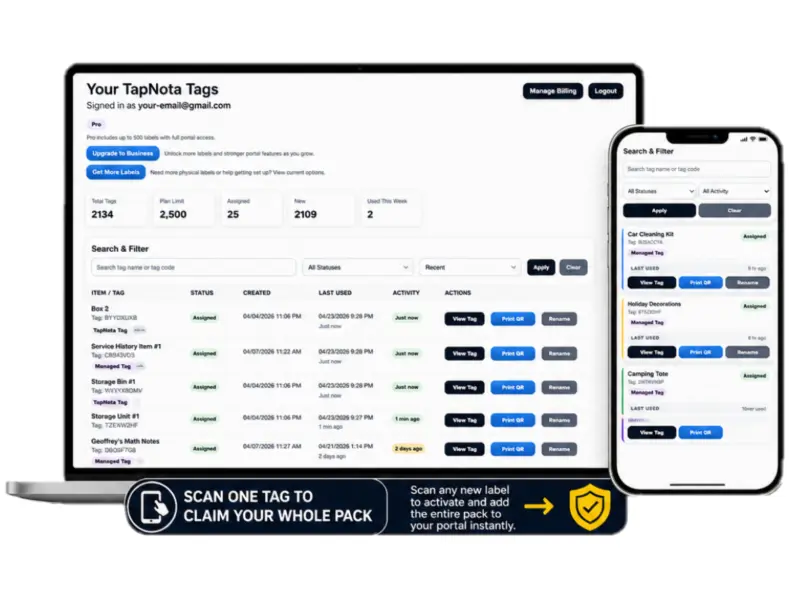
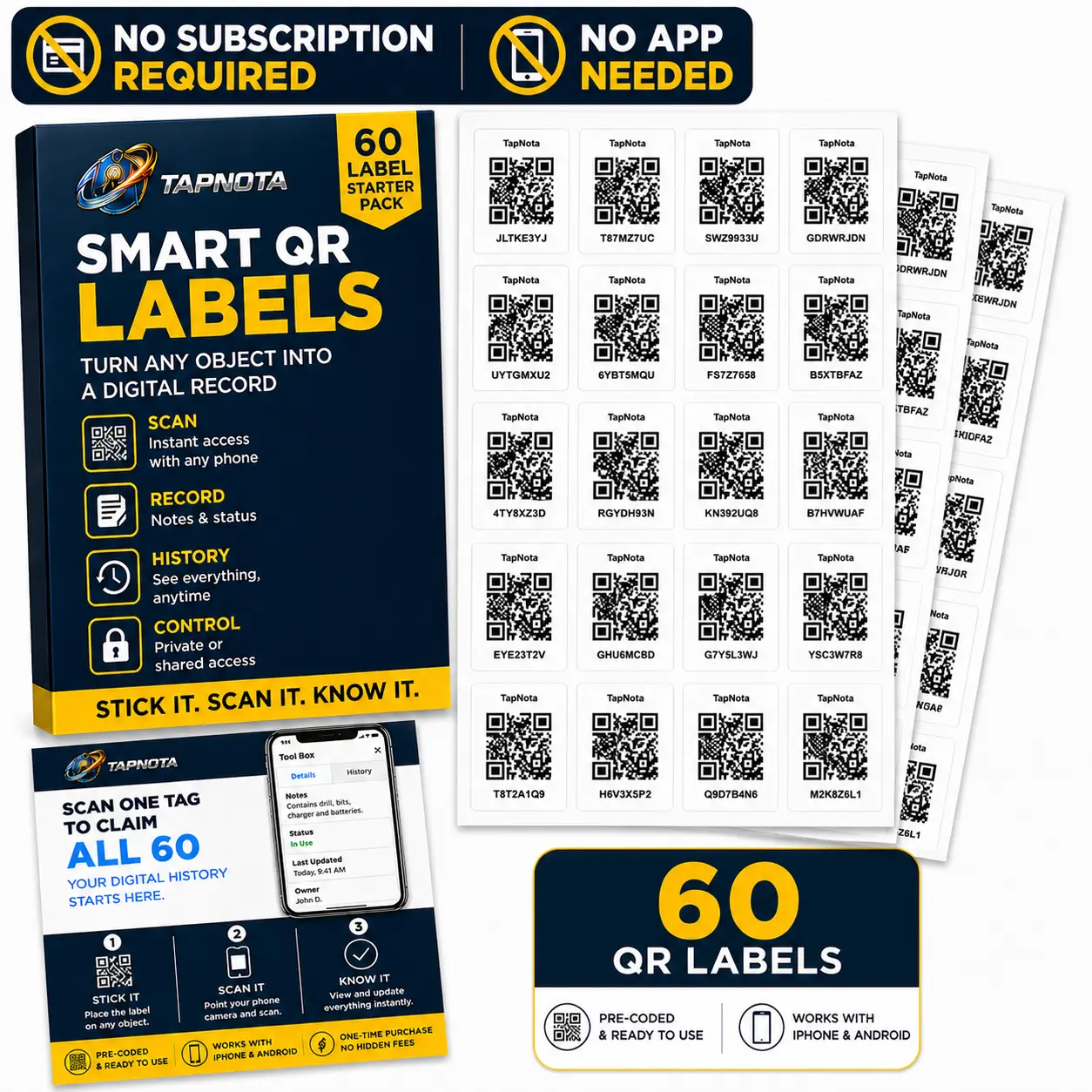
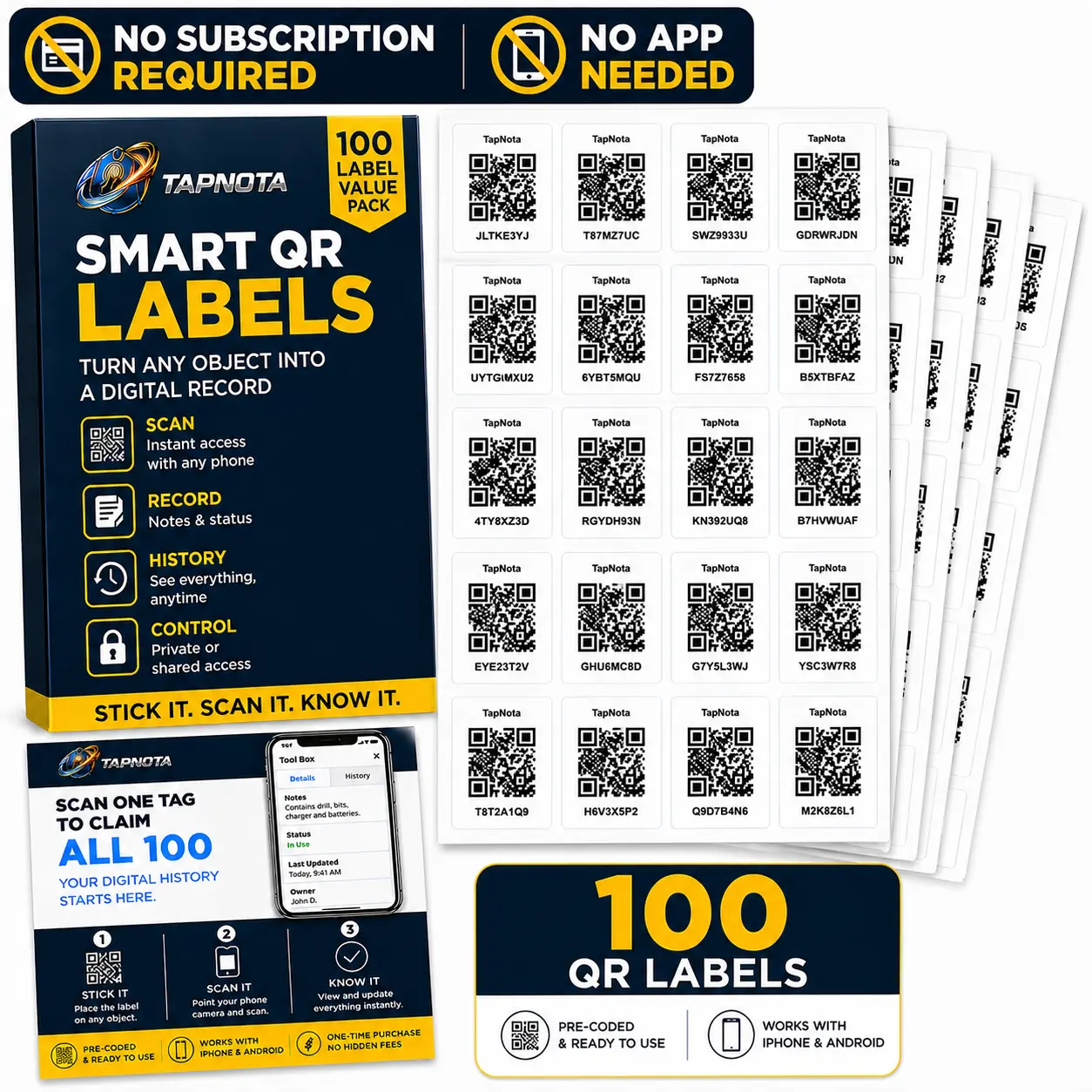
Scan any label in the purchased pack, enter and verify your email, and TapNota connects the whole pack to your account.
You do not activate every label separately.
Organize collectibles, memorabilia, antiques, books, records, coins, cards, art, toys, models, heirlooms, and specialty collections with TapNota. QR labels connect each item, case, shelf, binder, box, or collection group to searchable records with photos, descriptions, condition, purchase details, locations, notes, and history.
Collection Inventory System Image
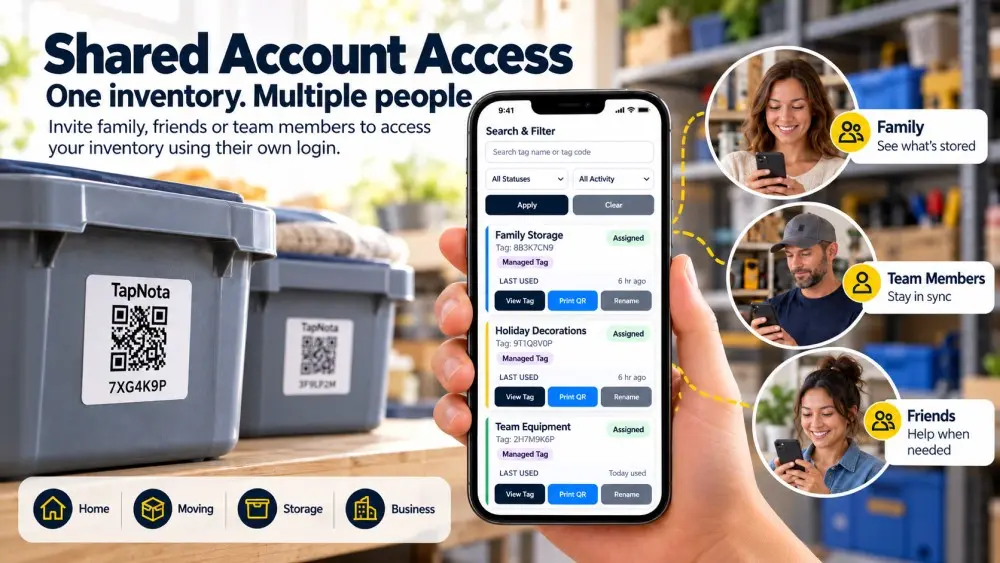
Add one lifestyle image showing organized collectibles, display shelves, storage cases, binders, and a phone displaying TapNota.
A useful collection inventory should tell you what the item is, why it matters, where it is stored, what condition it is in, and how it became part of the collection.
Record the item name, collection category, maker, brand, artist, series, edition, year, model, catalog number, or identifying marks.
Document wear, damage, repairs, signatures, certificates, packaging, grading information, authenticity notes, and supporting photos.
Record purchase details, gifts, inheritance, previous owners, provenance, display history, family stories, and updates.
Start small, use consistent categories, and build a system that can grow with the collection.
Begin with one shelf, case, binder, box, room, series, artist, era, or item type instead of cataloging everything at once.
Decide how items will be grouped by type, year, series, maker, value, condition, room, family branch, or other useful structure.
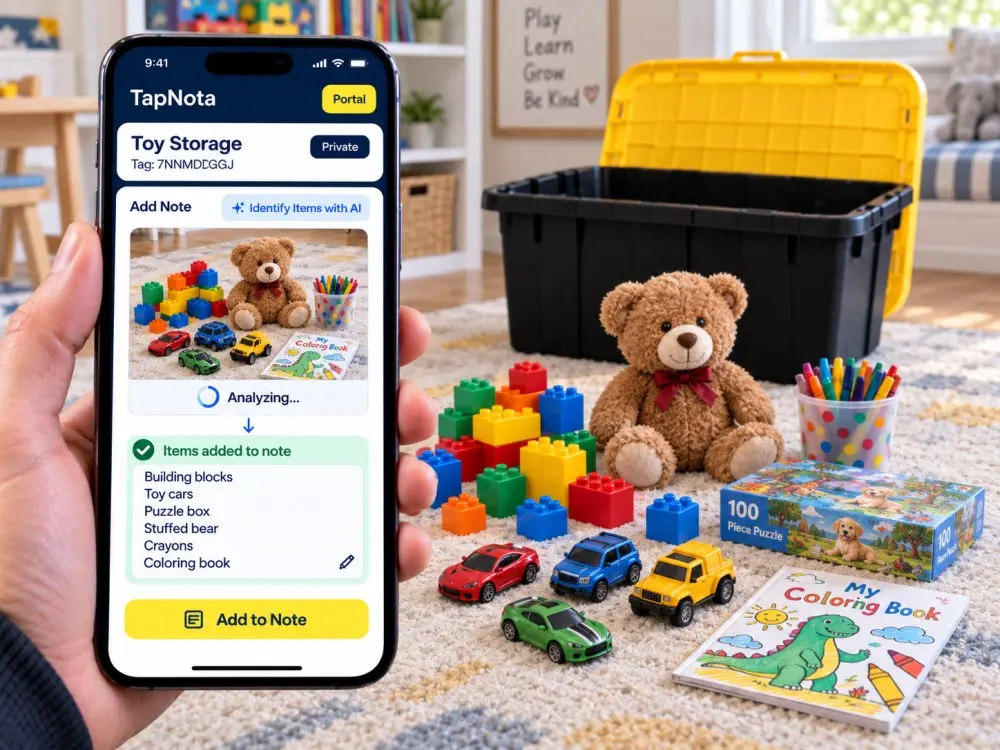
Capture the overall item plus labels, markings, signatures, damage, accessories, packaging, certificates, and identifying details.
Record descriptions, dates, condition, location, purchase details, history, notes, related items, and other important information.
Apply a TapNota QR label to the object when appropriate or to its case, binder, box, shelf, display, drawer, or collection group.
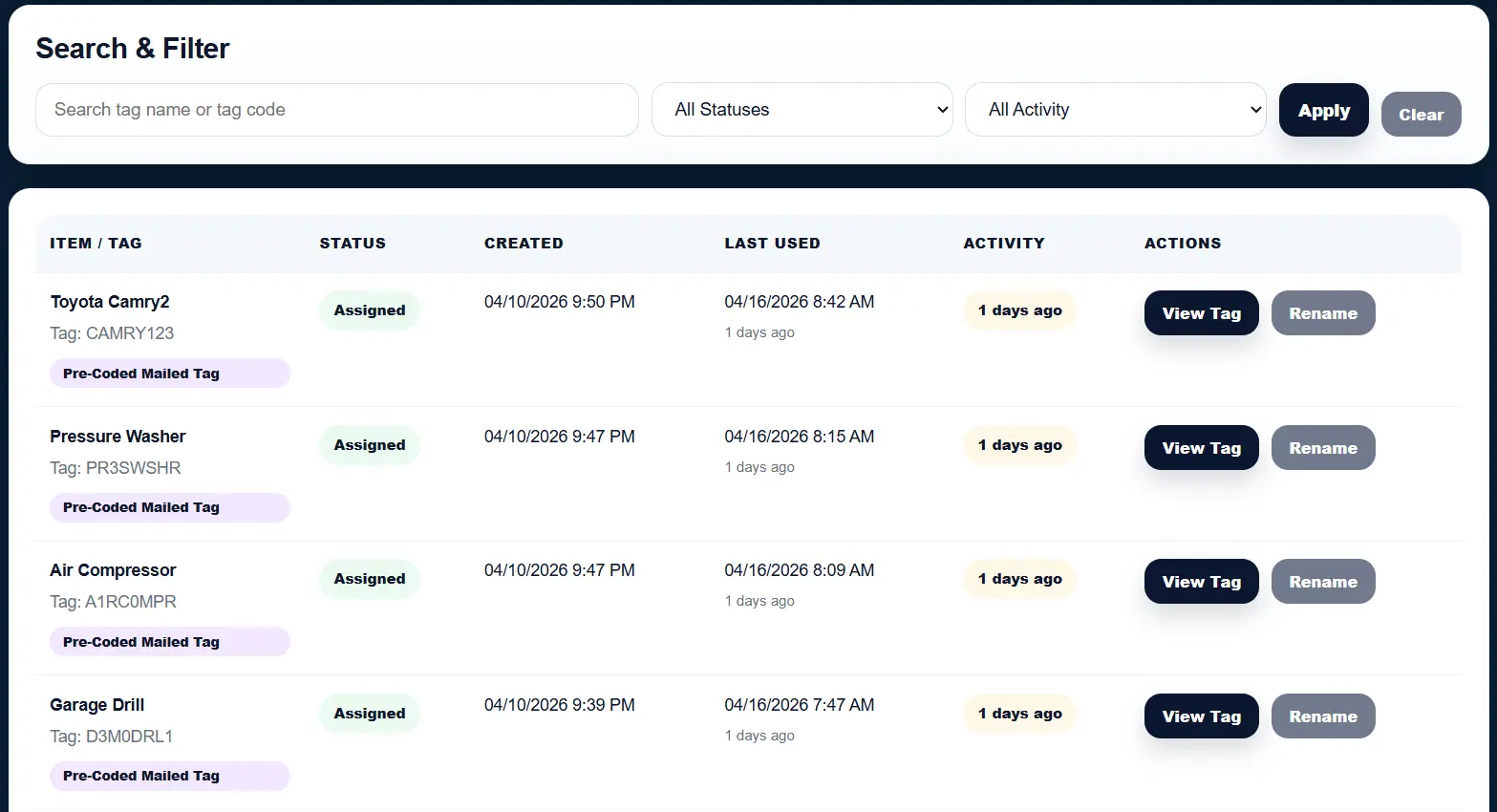
Add new items, record sales or gifts, update condition, move locations, add new history, and keep the same QR label.
TapNota can organize personal, family, historical, artistic, hobby, and investment collections.
Track dates, mint marks, grades, sets, holders, purchase details, and storage locations.
Organize sports cards, game cards, graded slabs, binders, sets, editions, and duplicates.
Track authors, editions, issue numbers, printings, condition, signatures, and shelf locations.
Organize vinyl records, CDs, films, games, editions, artists, labels, and condition.
Track artists, titles, dimensions, editions, signatures, framing, condition, and display history.
Record age, origin, materials, previous owners, repairs, markings, and provenance.
Organize action figures, dolls, die-cast vehicles, model kits, accessories, packaging, and series.
Preserve uniforms, medals, autographs, photographs, documents, family items, and historical stories.
You do not need every possible detail for every item. Use the fields that matter most for your collection.
You can record purchase prices, estimated values, or appraisal notes for your own reference, but values can change. Use a qualified appraiser when a formal valuation is needed.
Some collections benefit from one record per item. Others are easier to manage by set, box, shelf, binder, case, or display group.
Best for valuable, unique, serialized, signed, graded, historical, or heavily documented items.
Best for a binder, shelf, box, drawer, complete set, series, or collection of lower-value related items.
Label important items individually and use group records for the rest of the collection.
A spreadsheet can list a collection. TapNota also connects the digital record directly to the physical item or storage location.
| Feature | Spreadsheet or Paper List | TapNota Collection Inventory System |
|---|---|---|
| Identify the physical item | Search a list and match the description manually | Scan the QR label to open the exact record |
| Add detailed photos | Store photos separately or manage file links | Upload supporting photos directly to the item page |
| Record condition | Add columns or separate notes | Keep damage, repair, grading, and condition notes together |
| Track exact location | Update a separate cell or written list | Record the room, shelf, case, binder, box, or drawer |
| Preserve history | Use long notes or separate documents | Keep ownership, provenance, stories, and updates connected |
| Update the record | Edit the file or rewrite the list | Update the digital page without replacing the QR label |
| Replace a damaged label | Create a new identifier manually | Reprint the existing QR code |
Collections change over time. Keep the same QR label while updating the connected record.
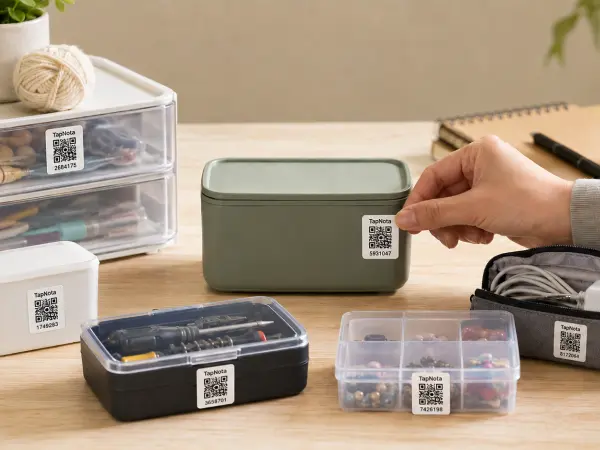
TapNota Product Image
Add one product image showing TapNota labels on collection cases, boxes, binders, shelves, displays, or individual collectibles.
Use original 2-inch TapNota labels on collection boxes, cases, binders, cabinets, shelves, displays, and larger items. TapNota Minis work well on compact cases, holders, individual objects, drawers, small boxes, and specialty storage.
Explore related TapNota pages for QR inventory, digital home inventory, keepsakes, family memories, asset labels, storage bins, and storage rooms.
Apply a TapNota QR label, add the photos, description, condition, location, ownership, purchase details, and history, and keep the record connected to the physical collection.
Need more labels? Buy additional TapNota pre-coded packs on Amazon. Scan one label to activate your entire pack instantly.